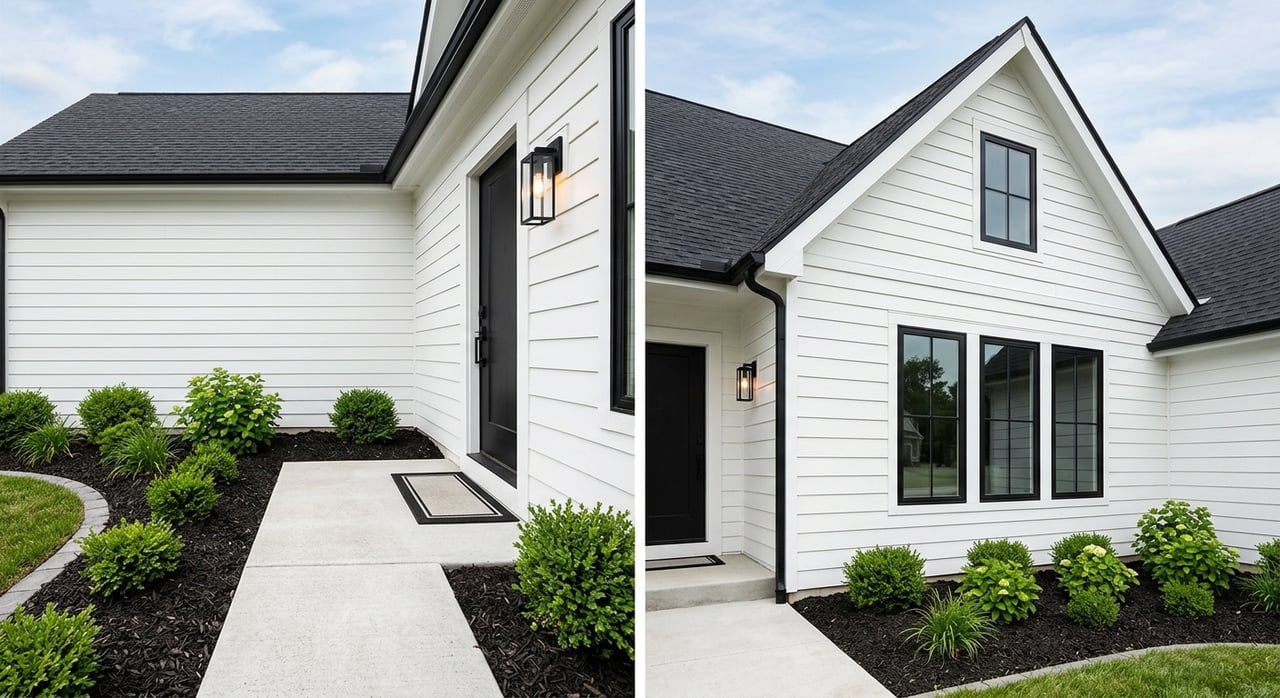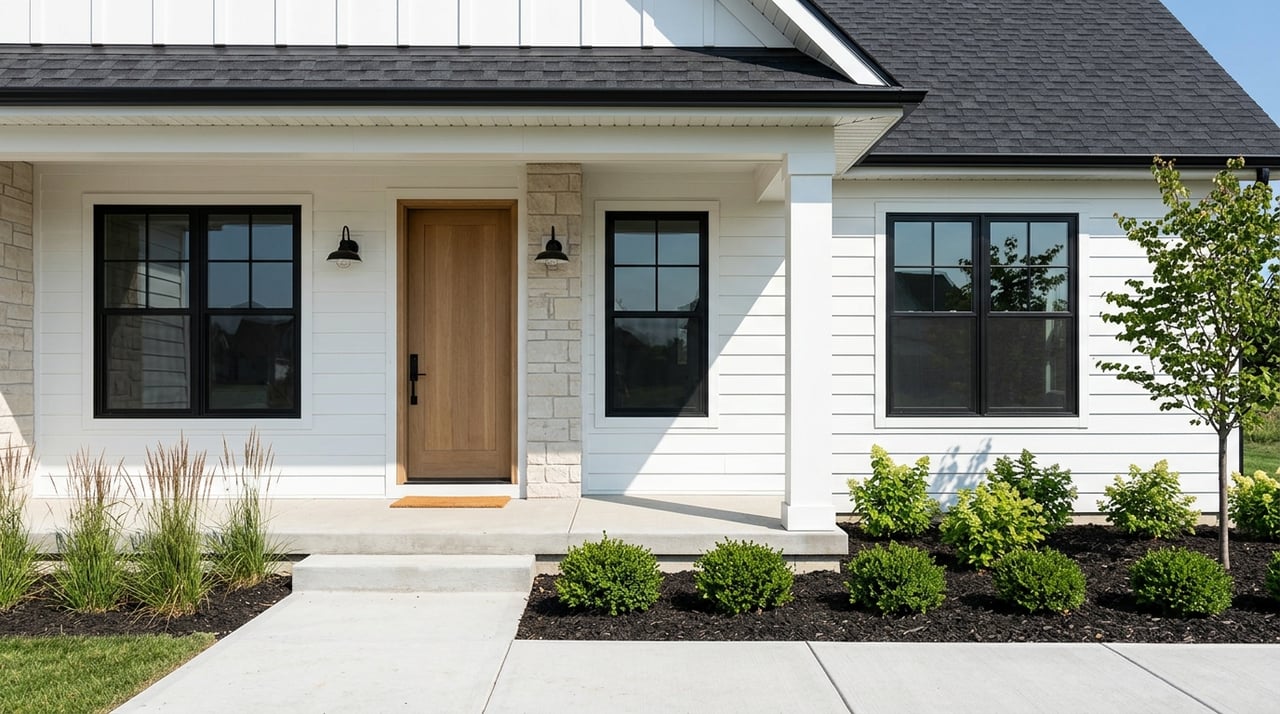
Buying a new construction home in Papillion can feel reassuring because everything is brand new. But “new” does not mean “covered forever,” and many buyers are surprised to learn that a builder warranty, a third-party warranty process, and Nebraska’s legal deadlines are three separate things. If you want to protect your investment, it helps to know what your warranty actually covers, how to report problems, and why timing matters. Let’s dive in.
Builder warranties vs legal deadlines
One of the biggest points of confusion with Papillion new construction homes is the difference between a builder’s written warranty and Nebraska law. Your builder may give you a warranty booklet with specific coverage periods and claim procedures, but that is not the same as the legal time limit for a construction-defect claim.
In many new-home warranty programs, coverage follows a familiar 1-2-10 pattern. That usually means one year for workmanship and materials, two years for certain systems, and ten years for major structural defects. These plans may be backed directly by the builder or supported by a third-party warranty company.
Nebraska law adds another layer. Under Nebraska Revised Statute § 25-223, most claims for breach of warranty involving improvements to real property must be filed within four years of the act or omission that caused the issue. If the defect could not reasonably have been discovered during that time, the law may allow up to two additional years from discovery, but not more than ten years from the underlying act.
That distinction matters. The Nebraska Supreme Court has held that for defective workmanship claims, the limitations period generally runs from substantial completion of the project, not from the date a one-year express warranty expires. In plain terms, a one-year builder warranty does not define your full legal timeline.
What builder warranties usually cover
Most third-party new-home warranties break coverage into three categories. Understanding those categories can help you spot whether an issue likely belongs in a standard warranty request or may need a deeper review.
Year one: workmanship and materials
The first year typically focuses on finish items and visible construction quality. That can include paint, drywall, trim, flooring, cabinets, countertops, roofing, siding, and similar components.
This is the part of the warranty most buyers notice first because these issues often show up during your first seasons in the home. Nail pops, trim gaps, paint touchups, or flooring concerns may fall into this bucket depending on the warranty terms.
Year two: major systems
The second year usually covers certain major systems in the home. Common examples include electrical wiring, ductwork, plumbing supply and waste piping, and HVAC-related components.
If a problem affects how a major system functions, this section of the warranty may come into play. Still, coverage depends on the exact booklet, so it is important to read the definitions and exclusions closely.
Ten years: structural defects
The ten-year structural period is typically narrower than many buyers expect. It usually applies to major load-bearing elements such as footings, foundation systems, beams, girders, columns, load-bearing walls, roof framing, and floor systems.
That does not mean every crack or movement issue is automatically structural. The exact language in the warranty booklet controls what qualifies, which is why documentation and professional evaluation can be so important when a serious issue appears.
Builder warranty vs homeowners insurance
Another common misunderstanding is assuming a builder warranty works like homeowners insurance. These are different protections with different purposes.
A builder warranty generally addresses defects in construction. Homeowners insurance, by contrast, usually covers accidental damage and your movable belongings. If a problem is tied to how the home was built, your warranty may be the first place to look. If it involves a sudden covered loss, insurance may be more relevant.
Why paperwork matters for resale
Some builder warranties are transferable to a future owner. That can be a real advantage if you sell your Papillion home before the warranty period ends.
A transferable warranty may offer added peace of mind to the next buyer, but only if you have followed the plan rules and kept your records organized. If documents are missing or notice requirements were not followed, that benefit can become much less meaningful.
How to review your warranty before closing
If you are under contract on a new construction home in Papillion, do not wait until after closing to review the warranty documents. The Nebraska Real Estate Commission advises consumers to review transaction materials carefully and seek legal advice if they have contract questions.
For a new-construction purchase, that means looking closely at the purchase agreement, the warranty booklet, and any arbitration or claims language tied to the home. Before you close, make sure you understand:
- When the warranty begins
- Whether the plan is builder-backed or third-party backed
- What is covered in years one, two, and ten
- What is excluded
- How to submit a claim
- Whether there are inspection or access requirements
- Whether the warranty is transferable
- What deadlines apply for written notice
These details can affect how smoothly a future issue gets resolved.
How to document a warranty issue
If you notice a problem after closing, treat it like a mini claims file from day one. Good documentation can make the process clearer for both you and the builder or warranty administrator.
Start by sorting the issue into one of three categories: workmanship, systems, or structural. Then create a record that shows what happened and when.
Build a simple claim file
Keep the following together in one folder, whether digital or printed:
- Dated photos and video
- A written note of when you first noticed the problem
- A short description of what you observed
- Copies of emails and text messages with the builder
- Any inspection reports or engineering reports you obtain
- A copy of your warranty booklet and purchase documents
This kind of organized file is especially helpful with hidden defects. Nebraska case law treats discovery as knowledge that a problem exists, not necessarily knowledge of its exact cause. That is one reason early documentation matters.
How warranty claims are often submitted
Many warranty plans have strict written procedures. For example, some programs require written notice to the builder or seller, a copy to the warranty company, and copies of earlier correspondence about the defect.
If the issue is not resolved, the booklet may direct the dispute into additional steps such as conciliation and then arbitration. Some plans also state that the builder, seller, or insurer may choose to repair, replace, or pay the reasonable cost of repair for a covered defect.
You should also expect that the builder or warranty administrator may need access to inspect the home. In many plans, repairs do not restart the warranty period, so it is smart to pay attention to the original coverage dates.
Why fast reporting matters in Papillion
One of the most practical lessons for new-home buyers is simple: report issues early. Many plans include short notice windows, and waiting too long can make a valid concern harder to pursue.
As one example from a common third-party warranty booklet, workmanship and systems defects must be reported within 15 days after the warranty term expires, while structural defects must be reported within 30 days after expiration. Your specific plan may differ, but the takeaway is the same. Do not assume you can wait until it is convenient.
If you see a problem, report it promptly in writing and keep a copy for your records. That small step can protect your options later.
When to get outside help
Some warranty items are straightforward. Others are expensive, technical, or disputed. If the issue involves structural concerns, a major system failure, or a disagreement about coverage, outside guidance may be worth it.
A qualified inspector or engineer can help you understand the nature of the issue. If there are contract questions or concerns about legal timing under Nebraska law, a Nebraska real estate attorney can help you evaluate next steps.
That does not mean every issue becomes a legal dispute. It simply means serious defects deserve a serious review, especially when deadlines may be running.
Practical advice for Papillion buyers
If you are buying or already own a new construction home in Papillion, the safest approach is to stay specific. Read your exact booklet, track your dates, and avoid relying on generic online advice.
A warranty can be a valuable layer of protection, especially when it is transferable and clearly documented. But its value depends on understanding the rules, preserving your paperwork, and acting quickly when something does not look right.
If you want experienced guidance as you buy, build, or evaluate a new construction home in Papillion, connect with Brian Wilson to Schedule a Call.
FAQs
What does a builder warranty usually cover on a Papillion new construction home?
- Many plans use a 1-2-10 structure: one year for workmanship and materials, two years for certain systems like electrical, plumbing, and HVAC-related components, and ten years for defined structural defects.
Is a builder warranty the same as homeowners insurance for a new home?
- No. A builder warranty generally addresses defects in construction, while homeowners insurance usually covers accidental damage and personal belongings.
How long do I have to bring a construction-defect claim in Nebraska?
- Under Nebraska law, most claims involving improvements to real property must be filed within four years of the act or omission, with limited discovery-based extensions, but not more than ten years from the underlying act.
When should I report a warranty problem in a Papillion new build?
- Report it as soon as you notice it. Many warranty plans have short written notice deadlines, and waiting can limit your options.
What documents should I keep for a new construction warranty claim?
- Keep dated photos, videos, written notes about when the issue appeared, copies of emails and texts, inspection or engineering reports, and your warranty booklet and purchase paperwork.
Can a builder warranty transfer to a future buyer of my Papillion home?
- Some builder warranties are transferable, which can help at resale, but the benefit depends on the exact plan and whether you followed the reporting and paperwork requirements.