If you are getting ready to sell in Papillion, it is easy to wonder whether you need a full remodel to keep up. You probably do not. In a market with steady single-family growth, newer homes, and buyers who can compare your property to fresh inventory, the smartest pre-listing updates are usually the ones that make your home feel clean, bright, cared for, and move-in ready. Let’s break down which updates tend to matter most, and which ones can turn into expensive project creep.
Why prep matters in Papillion
Papillion remains a growth-oriented market with meaningful new-construction competition. The City of Papillion reports that about 5,400 single-family lots have been platted since 2015, more than 4,100 single-family permits have been issued, and more lots could still be added if pending developments move forward.
That matters because buyers in Papillion often have options. Redfin reports a median sale price of $350,368 over the three months ending May 2026 and an average of 11 days on market, while the FRED series for Sarpy County shows a median of 42 days on market in June 2026. Even in an active market, your home still needs to show well against newer and builder-aligned listings.
Focus on presentation first
For most sellers, the best return comes from presentation fixes, not major renovations. That means improving what buyers notice right away in photos, showings, and inspections.
A practical pre-listing plan usually includes:
- fresh paint or color correction
- flooring cleaning or selective replacement
- brighter, more consistent lighting
- basic curb appeal improvements
- minor functional repairs
- cleaning and decluttering
This approach fits Papillion especially well. When many homes are newer or feel move-in ready, visible wear stands out more than it might in a slower or older housing market.
Paint is often the top update
If you only do one cosmetic project before listing, paint is often the best place to start. NAR’s 2025 Remodeling Impact report says Realtors most often recommend painting the entire home before listing, and painting one room also ranks highly.
NAR also advises sellers to clean walls and use neutral colors. That is important because paint affects both listing photos and in-person showings. A fresh, neutral backdrop helps buyers focus on the home itself instead of bold color choices, scuffs, or patchy touch-ups.
Where paint matters most
Paint tends to have the biggest impact in spaces buyers see first and photograph most often:
- entry areas
- living rooms
- kitchens with marked walls
- primary bedrooms
- hallways with visible scuffs
You do not need to chase trends. In most cases, clean, light, neutral tones will do more for your sale than a dramatic accent wall or high-design color palette.
Flooring should not look tired
Worn flooring can undercut an otherwise well-kept home. NAR recommends getting replacement estimates for worn carpeting before listing and cleaning carpets as part of the prep process.
In Papillion, this matters because buyers may compare your home to newer inventory with cleaner, more current finishes. If your flooring looks heavily worn, stained, uneven, or dated, it can create an immediate first-impression problem.
What to do with flooring
You do not always need to replace everything. A smart flooring plan may include:
- deep cleaning carpet
- replacing visibly worn carpet in key rooms
- addressing uneven transitions
- repairing damaged planks or tiles
- simplifying mismatched flooring where practical
The goal is not to make the home feel brand new. The goal is to remove obvious distractions that make buyers think about future work the moment they walk in.
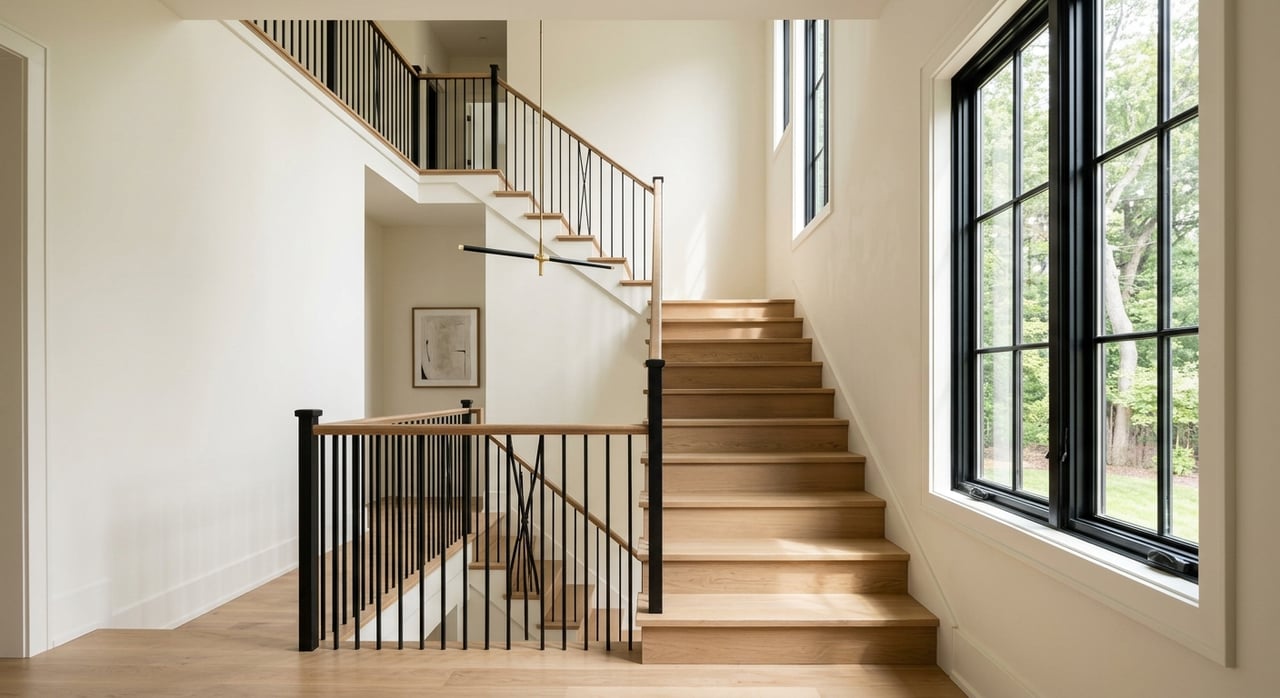
Lighting can make rooms feel bigger
Lighting is one of the most overlooked pre-listing updates. NAR’s staging guidance notes that poor lighting can make rooms feel gloomy, smaller, or overly clinical.
For sellers, the takeaway is simple. Rooms should feel bright, uniform, and camera-friendly. That usually means opening blinds for natural light, increasing brightness where needed, and making sure bulb temperatures are consistent from room to room.
Quick lighting fixes
Before listing, consider simple updates such as:
- replacing dim or burned-out bulbs
- using consistent bulb color throughout the home
- adding light to dark closets or entry areas
- brightening bathroom mirror areas
- removing anything that blocks natural light
These are not flashy changes, but they can make your home photograph better and feel more open during showings.
Curb appeal still sets the tone
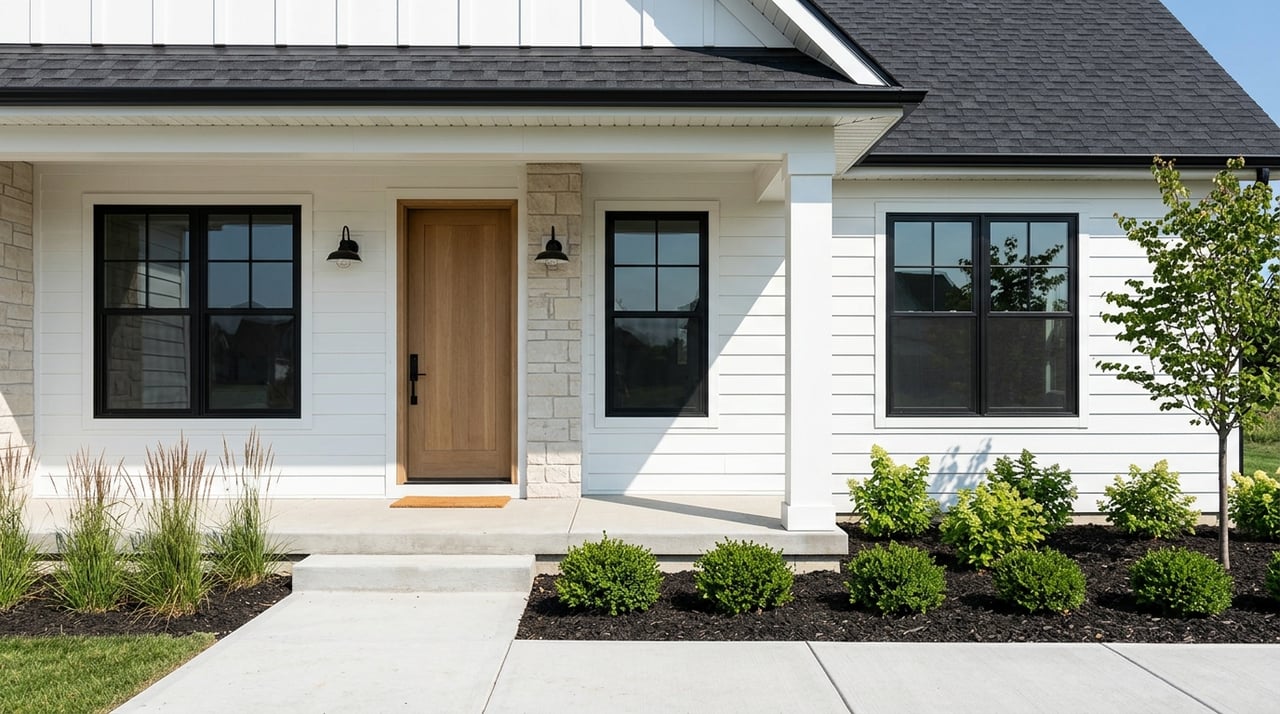
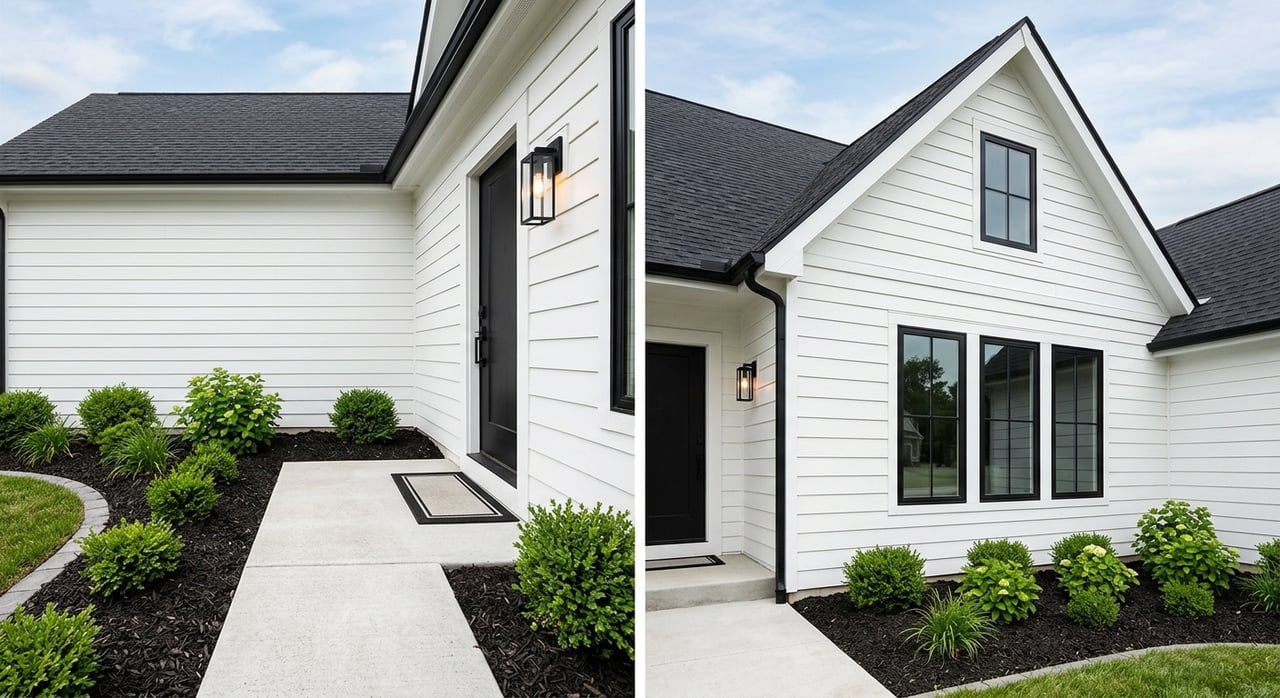
Buyers start forming an opinion before they ever step inside. NAR defines curb appeal as the home’s first impression from the street and points to landscaping, front-entrance updates, and paint as common ways to improve it.
In Papillion, where many homes compete with newer suburban product, basic exterior cleanup can go a long way. You usually do not need an elaborate landscape redesign. You do need the home to look maintained.
Exterior items worth tackling
A focused curb appeal checklist may include:
- mowing and edging the lawn
- trimming bushes
- refreshing mulch if needed
- clearing the walkway
- making sure the house number is visible
- touching up the front door or entry paint
- checking the condition of the walkway and front approach
These small details help signal that the home has been cared for, which can shape how buyers view the rest of the property.
Minor repairs can protect your deal
Cosmetic updates matter, but functional issues matter too. NAR notes that a pre-sale inspection is optional, but it can reveal issues with structure, exterior components, roofing, plumbing, electrical, HVAC, interior items, insulation, and fireplaces before buyers discover them.
That matters because NAR’s 2024 seller survey found that 58% of accepted offers were contingent on a home inspection. Even modest maintenance items can become negotiation points once the inspection report arrives.
Repairs to prioritize
Before listing, pay attention to the issues buyers are likely to notice or flag:
- dripping faucets
- loose hardware
- doors that stick or do not latch well
- cracked switch plates or fixture covers
- missing trim details
- obvious caulking gaps
- HVAC or roof concerns that need repair estimates
You do not have to fix every single item in every house. But you should know what is there, price out bigger issues when needed, and avoid letting minor deferred maintenance pile up into buyer hesitation.
What usually does not need to happen
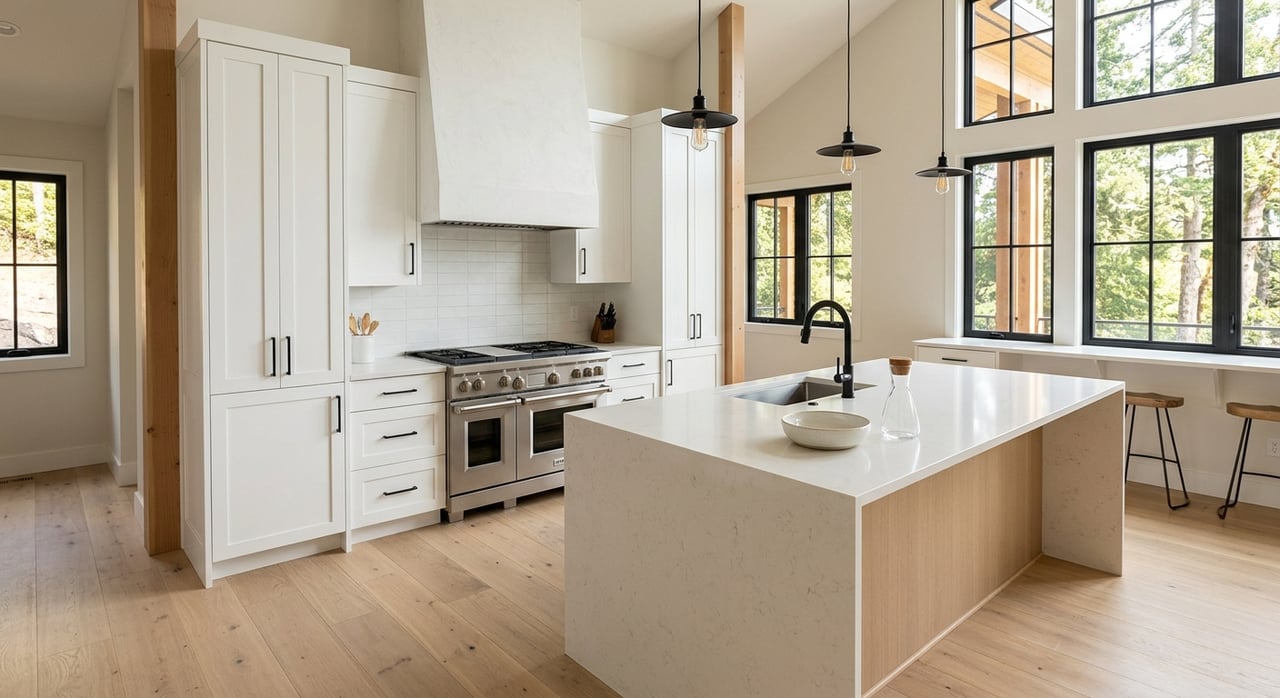
One of the biggest mistakes sellers make is turning listing prep into a remodel plan. In most cases, large kitchen overhauls, major bath remodels, layout changes, and other heavy renovations should be the exception, not the default.
NAR’s seller-prep guidance emphasizes cleaning, decluttering, paint, curb appeal, and repair estimates over full-scale renovations. That supports a simple strategy for Papillion sellers: fix visible wear, improve presentation, and avoid overspending just to make the house feel fully renovated.
Watch for project creep
Project creep usually starts with a reasonable idea and grows into a budget drain. Be cautious when prep work starts to sound like this:
- “While we are at it, let’s redo the whole kitchen.”
- “Maybe we should open this wall before we list.”
- “Let’s replace everything so it feels brand new.”
If a major system truly needs replacement, that is a condition decision, not a style decision. NAR specifically says roof, HVAC, and appliance issues are worth pricing out before listing so sellers can decide whether to repair, replace, or disclose.
A smart Papillion pre-listing strategy
For many Papillion sellers, the best strategy is to think like a buyer comparing options online and in person. If your home feels bright, neutral, clean, and well maintained, you are far more likely to make a strong first impression.
NAR’s staging research found that 83% of buyers’ agents believe staging helps buyers visualize a property as their future home. The most commonly staged rooms are the living room, primary bedroom, and dining room, which reinforces the value of strong presentation over expensive reconstruction.
How to decide what matters most
If you are unsure where to spend your pre-listing budget, start with the items that have the biggest impact on perception and the lowest risk of overspending.
A simple order of operations looks like this:
- Declutter and clean the home thoroughly.
- Correct paint issues and refresh obvious problem areas.
- Address flooring that looks visibly worn.
- Improve lighting and brightness.
- Tidy the exterior for curb appeal.
- Handle minor repairs and get estimates for bigger issues.
That sequence helps you solve the most visible problems first. It also keeps you focused on market readiness instead of renovation for renovation’s sake.
If you want help deciding which updates are worth doing before you list in Papillion, Brian Wilson can help you build a practical prep plan that fits your home, your timeline, and your sale goals.
FAQs
Which pre-listing update adds the most value for Papillion sellers?
- For many Papillion sellers, fresh paint is one of the most useful updates because it improves photos, showings, and overall first impression without turning into a major renovation.
Should Papillion sellers replace carpet before listing?
- If the carpet looks worn, stained, or dated, replacement or deep cleaning may be worth it, especially if the flooring creates an obvious first-impression problem compared with newer local inventory.
Do Papillion sellers need to remodel the kitchen before selling?
- Usually no. Most sellers are better served by cleaning, paint, lighting, curb appeal, and minor repairs rather than a full kitchen remodel before listing.
Why does lighting matter when selling a home in Papillion?
- Lighting can make rooms feel brighter, larger, and more inviting, while poor lighting can make spaces feel smaller or gloomy in photos and during showings.
Should Papillion sellers do repairs before the home inspection?
- Handling visible minor repairs before listing can reduce negotiation friction later, especially since many accepted offers include a home inspection contingency.
How should Papillion sellers choose between repairs and upgrades?
- Start with updates that improve presentation and fix visible wear, then get estimates for larger condition issues so you can make a clear repair, replace, or disclose decision.