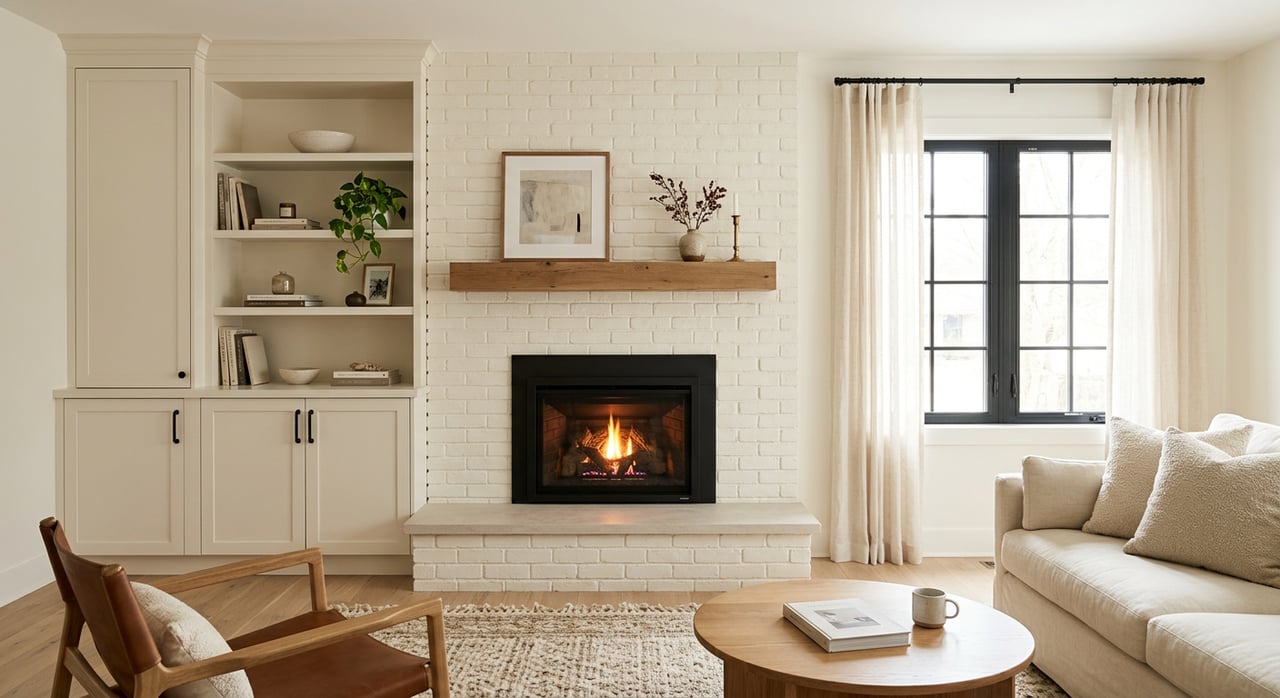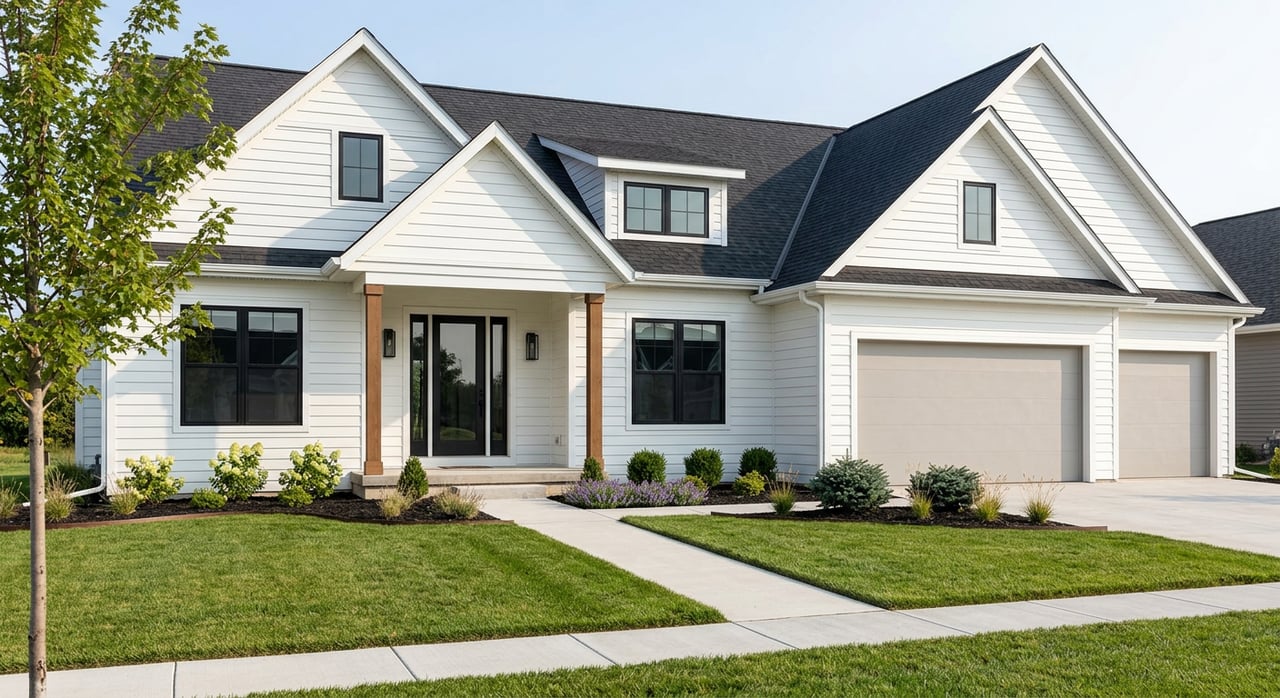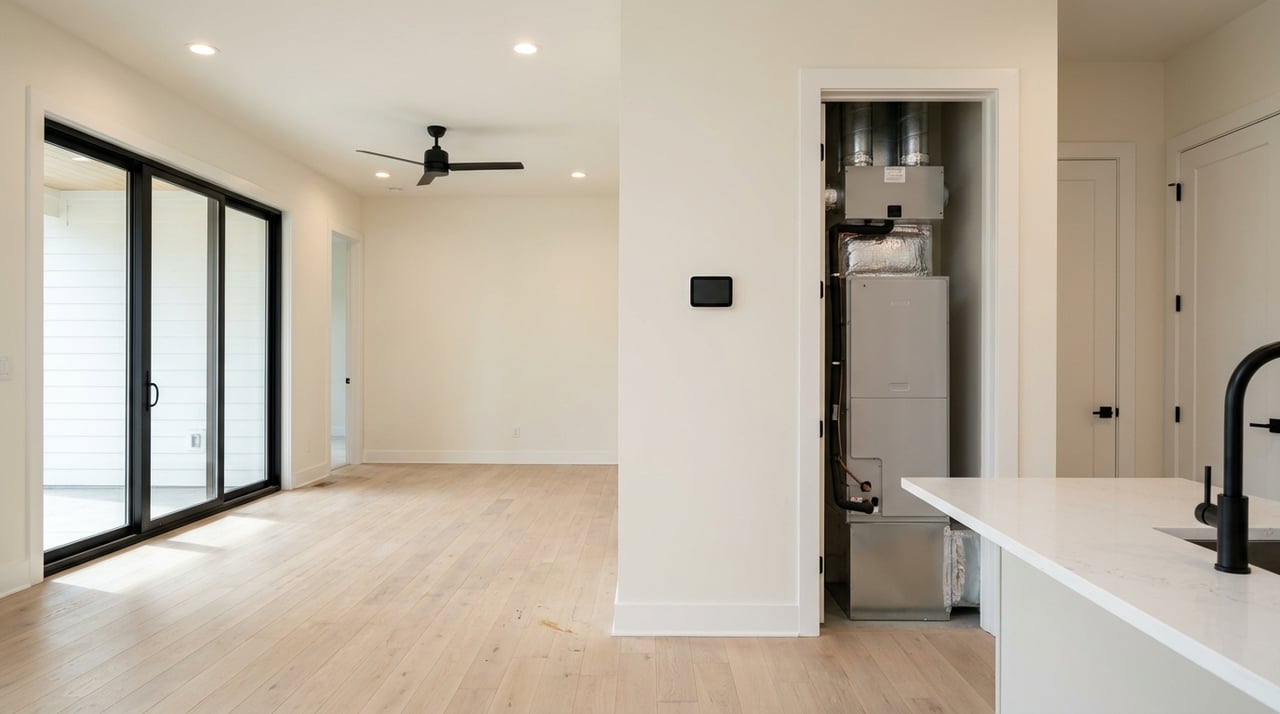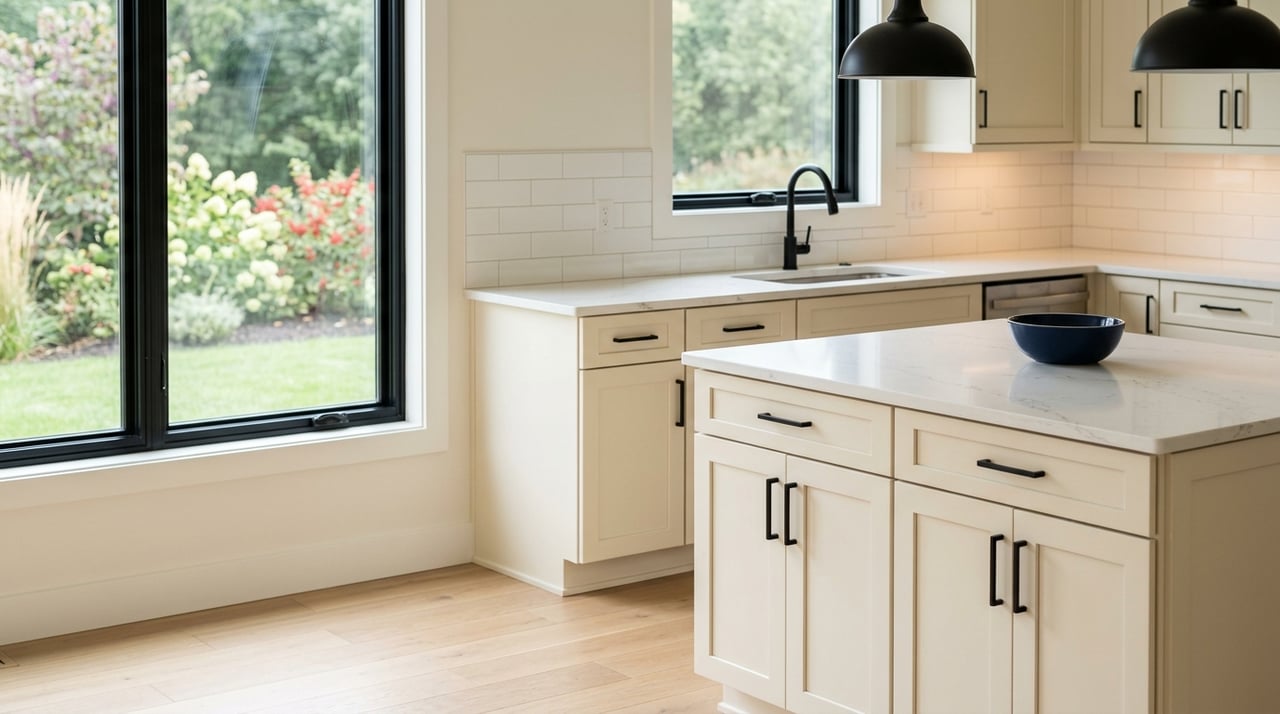
Choosing finishes for a new build sounds fun until you are staring at dozens of samples, upgrade sheets, and deadlines. If you are building in Papillion, your design selections can shape not only how your home looks, but also how it lives, performs, and resells over time. This guide will help you sort through the design-selection process with more confidence, fewer surprises, and a clearer plan for what matters most. Let’s dive in.
Why design selections matter in Papillion
In Papillion, many buyers are thinking long term. The city’s 2024 population was estimated at 25,248, with a 73.9% owner-occupied housing rate, which supports the idea that many homeowners are choosing with both daily living and future resale in mind. In a market like this, finish decisions are rarely just cosmetic. According to U.S. Census QuickFacts for Papillion, local housing patterns point to a community where long-term ownership is common.
Your selections also happen within a bigger construction and approval process. The City of Papillion notes that growth and development are guided by its Comprehensive Plan and local development policies. That means some choices may tie into permits, inspections, and local code requirements, not just style preferences.
What you usually choose
By the time you reach the design-center stage, many big-picture decisions are often already made. A common builder sequence is that the floor plan, homesite, and exterior elevation are selected before the design appointment, as outlined in KB Home’s design studio overview. That leaves the design-selection phase focused mostly on interior finishes and personalized details.
Typical choices may include:
- Cabinets and countertops
- Flooring
- Paint colors
- Lighting
- Appliances
- Faucets and plumbing fixtures
- Doors and hardware
- Window treatments
- Smart-home features
- Wiring or finish upgrades
Some builders also allow a limited number of structural or wiring changes at this stage, but those options are often time-sensitive.
Prepare before the appointment
A design meeting can move faster than you expect. One builder guide says appointments often last 2 to 3 hours, selections may become final after the last appointment, and a deposit of 35% of selected design options may be due at the end of that meeting. While that example is builder-specific, the timeline pressure is real, as shown in this Pulte design guide.
The best way to stay calm is to walk in with a plan. Before your appointment, try to narrow down your priorities into three categories:
- Must-haves
- Nice-to-haves
- Skip for now
This simple list can keep you from making rushed choices when every sample starts to look the same.
Start with permanent finishes
If your budget is not unlimited, begin with the items that are hardest to change later. Cabinets, countertops, flooring, and tile usually create the biggest visual impact and often the biggest cost swings. KB Home notes that some design choices are included in the base price while others cost extra, so it helps to know where your money will have the most lasting value.
A good rule is to spend more thought on the finishes that involve demolition, labor, or disruption to replace later. Paint colors, some light fixtures, and décor are easier to update. Flooring, cabinetry, and major plumbing finishes are not.
Choose for Papillion’s climate
Papillion’s four-season weather should influence more than your paint palette. NOAA climate normals for nearby Omaha Eppley Airfield show an annual mean temperature of 52.4°F, annual precipitation of 31.86 inches, and annual snowfall of 27.1 inches. In practical terms, that means your home needs to handle cold winters, warm summers, and seasonal swings well.
According to the U.S. Department of Energy’s efficient home design guidance, climate and site conditions should play a major role in home design decisions. As you compare options, pay close attention to:
- Insulation and air sealing
- Window efficiency
- Exterior material durability
- Heating and cooling performance
- Water heating systems
- Roof and daylighting options
These are not flashy selections, but they can affect comfort and operating costs long after move-in day.
Ask about energy-efficiency packages
Energy features are easy to overlook when you are focused on countertops and hardware. Still, they can offer real value in a new home. The Department of Energy recommends a whole-house systems approach that includes insulation, windows, lighting, heating and cooling, and water heating working together.
ENERGY STAR and DOE resources also point to studies showing sale and resale premiums of 2% to 8% in most markets for rated energy-efficient homes. That is not a guaranteed premium, but it does support the case for looking closely at features that improve efficiency, comfort, and long-term appeal.
If your builder offers packages, ask which upgrades provide the strongest day-to-day benefit in Papillion’s climate. In some cases, a better window package or stronger air sealing may matter more than a trend-driven finish upgrade.
Balance style with resale
It is natural to want your new home to feel personal. The goal is not to make everything plain. The goal is to make the permanent choices broad enough to age well while still reflecting your taste.
One builder design guide describes modern style as clean lines and neutral colors, while transitional style blends modern and traditional elements in a cohesive, timeless way, based on Pulte’s design materials. That supports a smart resale-minded strategy:
- Keep cabinets, flooring, and major tile relatively neutral
- Add personality through lighting, paint, and décor
- Focus on cohesive finishes instead of chasing every trend
- Prioritize durability in high-use areas
This approach can help your home feel current now without locking you into choices that may feel dated later.
Understand what affects timeline
Late changes can create more than frustration. In some cases, they can also affect construction flow, paperwork, or inspection timing. Papillion now uses an online permits system for permit submission, payments, and inspection scheduling, which reflects how closely design and construction processes are connected.
If your lot has site-specific considerations, ask early. Papillion states that floodplain development permits are required for development in a Special Flood Hazard Area before building, grading, or certain renovations. If your homesite is near a creek or drainage corridor, exterior and site decisions may need extra review.
That is why it is smart to ask your builder and representative:
- Which selections affect permit drawings?
- What is the deadline for changes?
- Which changes could delay construction?
- Are there lot-specific review items to know about?
Know what is included
One of the easiest ways to lose control of your budget is to assume that a sample shown in the design center is included. It may not be. KB Home’s design studio overview notes that some options come at no extra cost, while others are upgrades that may be financed through the home loan.
Before you sign off, ask for a clear breakdown of:
- Base-price selections
- Allowance items
- Upgrade pricing
- Deposit requirements
- Final-change deadlines
This helps you compare value across categories instead of reacting to each item one by one.
Verify address-based details early
If location-specific details matter to your purchase, confirm them using the exact lot address. For example, the Papillion-La Vista Community Schools attendance-zone locator is address-specific, and the district notes that boundaries in a growing district are subject to change.
That matters during a new-build purchase because a subdivision name or marketing description may not be enough. If this factor is important to your planning, verify it directly and early.
A simple design-selection strategy
If you want a practical way to narrow your choices, use this order:
- Confirm your budget ceiling before the appointment.
- Choose permanent finishes first like cabinets, flooring, and countertops.
- Review energy and performance options for comfort and efficiency.
- Ask what affects permits or timing on your specific lot.
- Use neutral, cohesive core finishes for long-term flexibility.
- Add personality last with easier-to-change details.
This method helps you make design decisions that support how you live now while keeping an eye on future value.
Building a new home in Papillion should feel exciting, not overwhelming. When you understand which choices affect budget, comfort, timeline, and resale, you can make decisions with a lot more clarity. If you want a construction-savvy guide to help you navigate the process from homesite to final selections, connect with Brian Wilson to Schedule a Call.
FAQs
What design selections matter most in a Papillion new build?
- The most important selections are usually the hardest to change later, including cabinets, countertops, flooring, tile, windows, and energy-efficiency features.
How long does a new-build design appointment usually take?
- A builder example in the research notes says a design appointment often lasts 2 to 3 hours, though exact timing depends on the builder and scope of your selections.
Which Papillion new-build choices can affect the construction timeline?
- Selections tied to permit drawings, inspections, site conditions, or floodplain review can affect timing, especially if changes happen late in the process.
Should you upgrade energy-efficient features in a Papillion new construction home?
- Energy-efficient upgrades are worth reviewing closely because Papillion’s climate includes cold winters and warm summers, and efficient features can support comfort, operating costs, and resale appeal.
How can you keep new-build design selections within budget?
- Start by separating must-haves from nice-to-haves, confirm what is included in the base price, and focus first on permanent finishes that are expensive or disruptive to change later.
Why should you verify school attendance zones for a Papillion new-build address?
- The district’s attendance-zone tool is address-specific, and boundaries in a growing district may change, so it is best to verify the exact lot directly if that information is important to your decision.