Thinking about building or buying in Papillion and wondering what an HOA or covenants will mean for your home plans? You are not alone. Many buyers discover that design approvals, landscaping rules, and even shed placement depend on recorded documents you might not see in a quick drive through the neighborhood. This guide explains how HOAs and covenants work in Papillion, what they cover, and how to navigate approvals with confidence. Let’s dive in.
HOAs and covenants basics in Papillion
Covenants, Conditions and Restrictions (CC&Rs) are recorded deed restrictions that attach to each lot in a subdivision. These rules set property uses, architectural standards, and maintenance responsibilities that carry forward to future owners. The homeowners association (HOA) is the entity that enforces the CC&Rs and maintains common areas.
Papillion’s city rules still apply. Zoning, setbacks, building permits, grading, stormwater, and utility connections are handled by the City of Papillion. HOAs do not replace those municipal rules. You must comply with both city requirements and your HOA’s covenants.
The legal documents you will review usually include the recorded Declaration (CC&Rs), Bylaws, Articles of Incorporation, Rules and Regulations, and any recorded design guidelines. These documents, plus plats and easements, are filed with the Sarpy County Recorder. Always verify the current recorded versions before you commit to plans or a purchase.
Architectural review: how approvals work
Most Papillion subdivisions use an Architectural Review Committee (ARC) to review exterior plans. The ARC’s scope often includes materials, rooflines, windows, paint colors, fencing styles, driveways, garage orientation, accessory structures, and any landscaping visible from the street. Even small exterior changes can require approval.
The process is straightforward but detailed. You submit plans, pay any review fees, and wait for written approval, approval with conditions, a denial, or a request to revise and resubmit. Some ARCs operate with firm timelines, while others are more discretionary. In early phases, the developer often controls the ARC and sets the neighborhood’s design direction.
What to submit
- Site or lot plan showing setbacks, easements, and structure placement
- Elevations for all sides of the home
- Exterior materials list, color samples, roofing sample
- Driveway and garage details
- Fence and accessory structure locations and specs
- Front yard landscape plan and any required tree planting plan
Timing tips for Papillion builds
- Expect a turnaround of a few days to several weeks depending on the ARC’s calendar and rules.
- Many builders secure model approvals first; custom or semi-custom plans get closer scrutiny.
- Do not start exterior work until you have written ARC approval and the necessary city permits. The order of approvals can vary by community, so confirm your neighborhood’s process up front.
Landscaping and exterior standards
Papillion subdivisions often include recorded grading and drainage requirements to protect stormwater infrastructure. Your HOA’s landscape standards will sit on top of that. It is common to see requirements for front yard maintenance, irrigation systems, and specific tree planting.
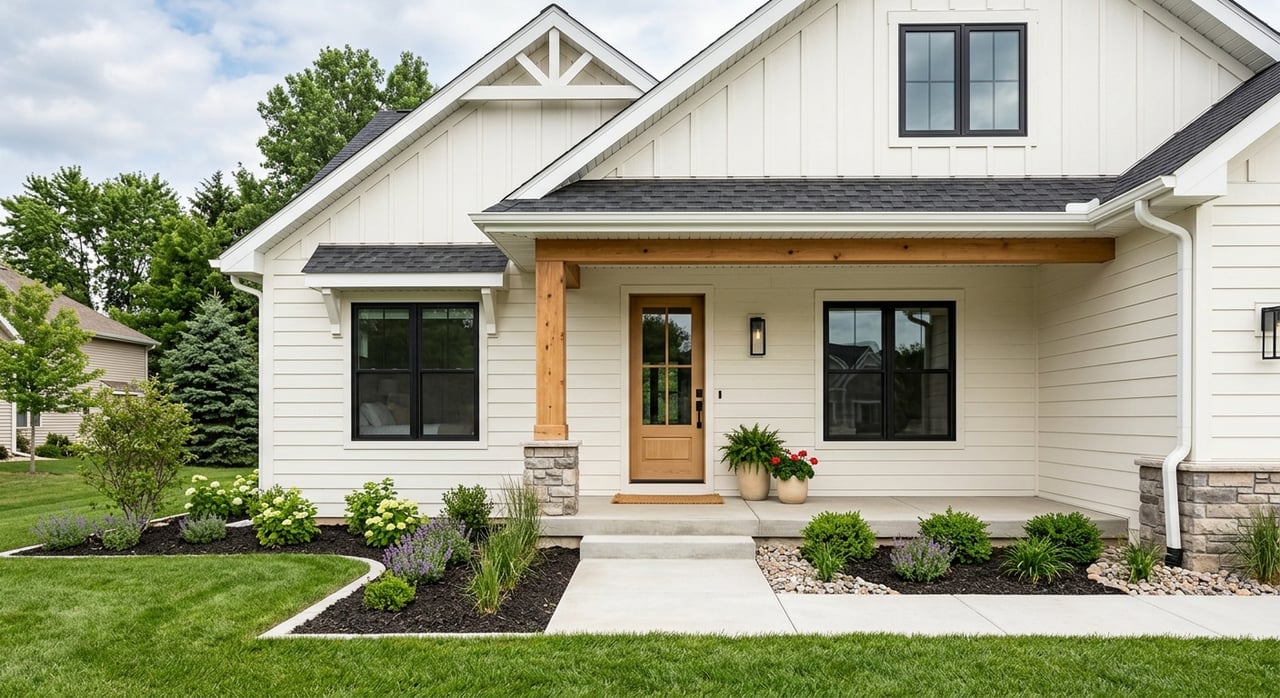
Front yards are usually the most regulated area. Plant types, placement, lawn height, and foundation plantings may be defined. Rear yards can be more flexible but can still be restricted by rules about screening, structure placement, and visibility from the street.
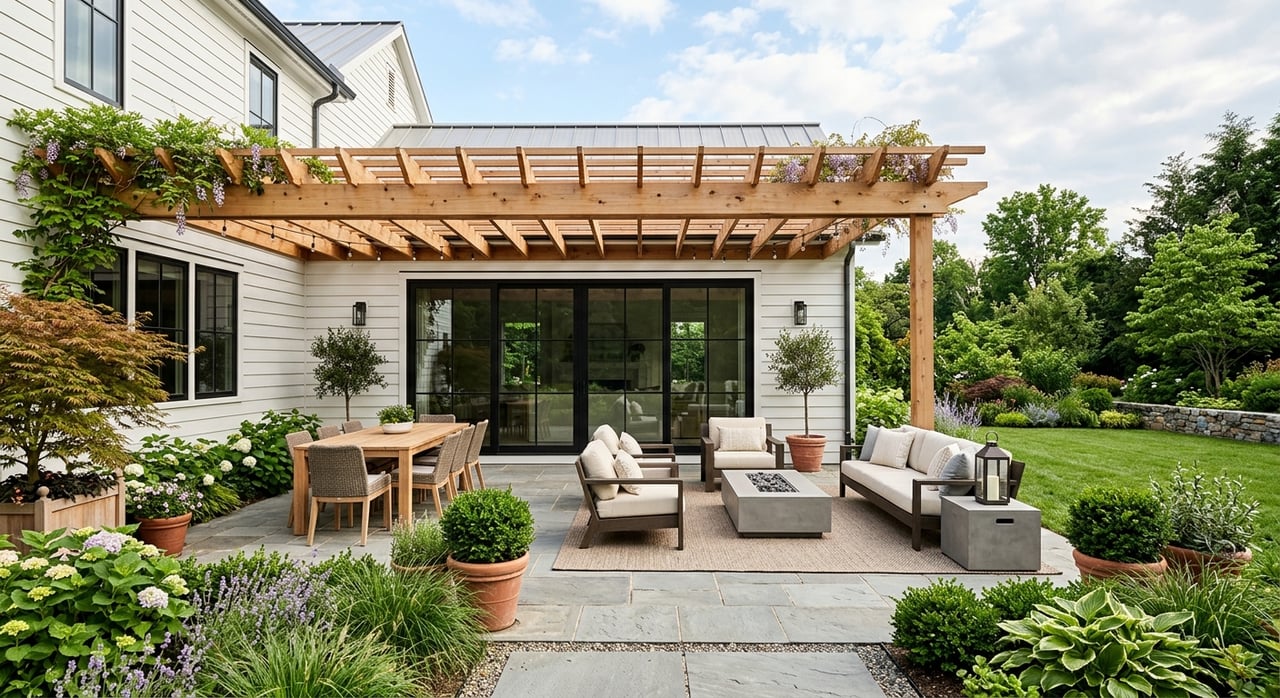
When you plan major landscape changes, check both the city’s permit needs and your ARC’s guidelines. Retaining walls, significant grading, and structures like pergolas or outdoor kitchens may trigger permits and ARC approval.
Fences, sheds, and accessory structures
Most CC&Rs specify fence materials, height, color, and placement. Chain link is often restricted in front yards and sometimes throughout the subdivision. Fences along side or rear yards may need to match a neighborhood style and avoid utility or drainage easements.
Sheds, detached garages, pergolas, and gazebos typically require ARC approval. Size, location, and materials must coordinate with the home. Many newer neighborhoods require that outbuildings match the home’s exterior materials and color palette.
Above-ground pools, permanent hot tubs, and large play structures often need approval and are usually not allowed in front yards or view corridors. Acceptance of accessory dwelling units can vary widely, especially in older CC&Rs. If an ADU is part of your plan, review the CC&Rs closely and confirm with the ARC.
Assessments, dues, and enforcement
HOAs collect regular assessments to fund landscaping, snow removal in private areas, private street maintenance if applicable, amenities, insurance for common structures, and reserves for future repairs. Special assessments can be levied for unexpected costs or capital projects.
Enforcement tools may include fines, suspension of amenity access, and liens for unpaid assessments. Many declarations allow liens and foreclosure to recover unpaid dues. When you review a community, ask for the current budget, reserve policy or study, and any planned special assessments.
Adequate reserves matter. Communities with private streets, pools, or clubhouses need a realistic reserve plan to avoid large special assessments later. If you do not see a reserve policy or recent financial statements, that is a sign to dig deeper.
Developer control and transition
In early phases, the developer typically controls the HOA and the ARC. The developer may reserve rights to amend CC&Rs, add land, phase amenities, and select approved builders. Those rights usually shift to homeowners later according to the transition terms in the documents.
Before you buy in a new phase, ask for the developer’s disclosure that explains declarant rights, timing for turnover, and a list of planned amenities. Clarify whether parks, trails, and stormwater basins are complete or still to be built. Know who is responsible for finishing them and how changes to future phases could impact the neighborhood.
Practical Papillion buyer checklist
Gather these items before you finalize a contract or during your inspection period:
- Full recorded Declaration of Covenants and any amendments
- Recorded plat and any lot-specific easements or building envelopes
- HOA Bylaws and Articles of Incorporation
- Rules and Regulations and any separate Architectural Guidelines or Design Manual
- Current budget and most recent financial statements
- Reserve study or written reserve policy
- Last 12 to 24 months of HOA meeting minutes
- List of current dues and any pending or special assessments
- Insurance declarations for the HOA’s master policy
- Developer disclosures covering declarant rights and transition timing
- Any active violation notices or pending litigation involving the HOA or developer
Key questions to ask the listing agent or builder
- Who controls the HOA today and when does homeowner control begin?
- What powers does the developer retain, including amendment rights?
- What are the current dues and exactly what services do they cover?
- Are streets and common areas completed and maintained by the HOA or the city?
- What is the ARC submittal process, fee schedule, and typical review timeline?
- Is there a reserve fund and recent reserve study? Any known deferred maintenance?
- Are there restrictions on solar, satellite dishes, rentals, or ADUs?
- Are there recorded drainage or grading plans that limit landscaping or structures on my lot?
ARC submission tips
- Provide complete, clearly labeled plans that match the community guidelines.
- Include site plans with setbacks, elevations, material schedules, and color swatches.
- Note how you will screen mechanicals, place required trees, and coordinate materials with adjacent homes.
- Confirm the order of approvals. If your CC&Rs require ARC approval before city permits, follow that sequence.
- Keep a record of all submissions, conditions, and approvals.
Red flags to watch
- No recent financial statements or reserve study in a community with amenities
- Very broad developer amendment powers or long declarant control periods
- Pending special assessments or high delinquency on dues
- Vague maintenance responsibilities for items like fences, driveways, or roofs
- Conflicts between the recorded plat and CC&Rs, especially around easements
- No clear ARC guidelines and unlimited ARC discretion
Where to verify and get answers
For recorded plats, covenants, and easements, check the Sarpy County Recorder. For zoning, setbacks, grading permits, stormwater, and utility connections, contact the City of Papillion’s Planning and Development Services. For legal interpretation or Nebraska-specific statutes, consult a local real estate attorney or an experienced HOA management company.
Work with a construction‑savvy guide
If you are comparing Papillion neighborhoods, planning a semi-custom build, or submitting ARC plans, getting the details right will save you time and money. Our team blends local market insight with hands-on new construction experience to help you evaluate covenants, set realistic timelines, and coordinate approvals. We partner closely with regional builders to keep your project moving while protecting your long-term resale value.
Ready to map your Papillion HOA and covenant path? Schedule a call with Brian Wilson to review documents, talk through ARC strategy, and align your build or purchase with your goals.
FAQs
Who enforces HOA rules in Papillion communities?
- The HOA enforces the CC&Rs and rules, using fines, suspension of amenities, and liens for unpaid assessments when necessary.
Do HOA rules override city permits in Papillion?
- No. You must comply with both city zoning and building permits and your HOA’s covenants and design standards.
Are fences and sheds typically allowed by Papillion HOAs?
- Often yes, but most require ARC approval and must meet rules on materials, height, placement, and easements.
Can a developer change amenities or add more lots after I buy?
- Possibly. Developers often reserve amendment and phasing rights in early stages, so review the declaration closely.
What if I disagree with an Architectural Review Committee decision?
- Most communities provide an appeal process in the governing documents, and some disputes may go to mediation, arbitration, or court.