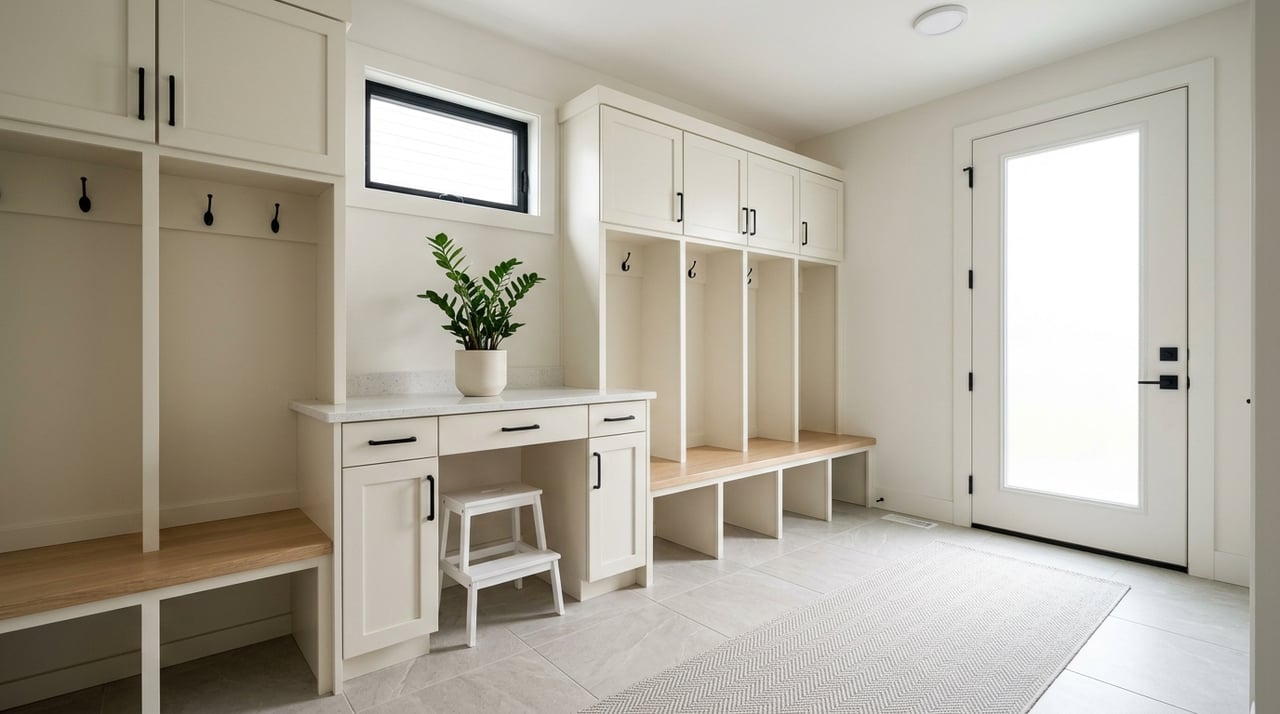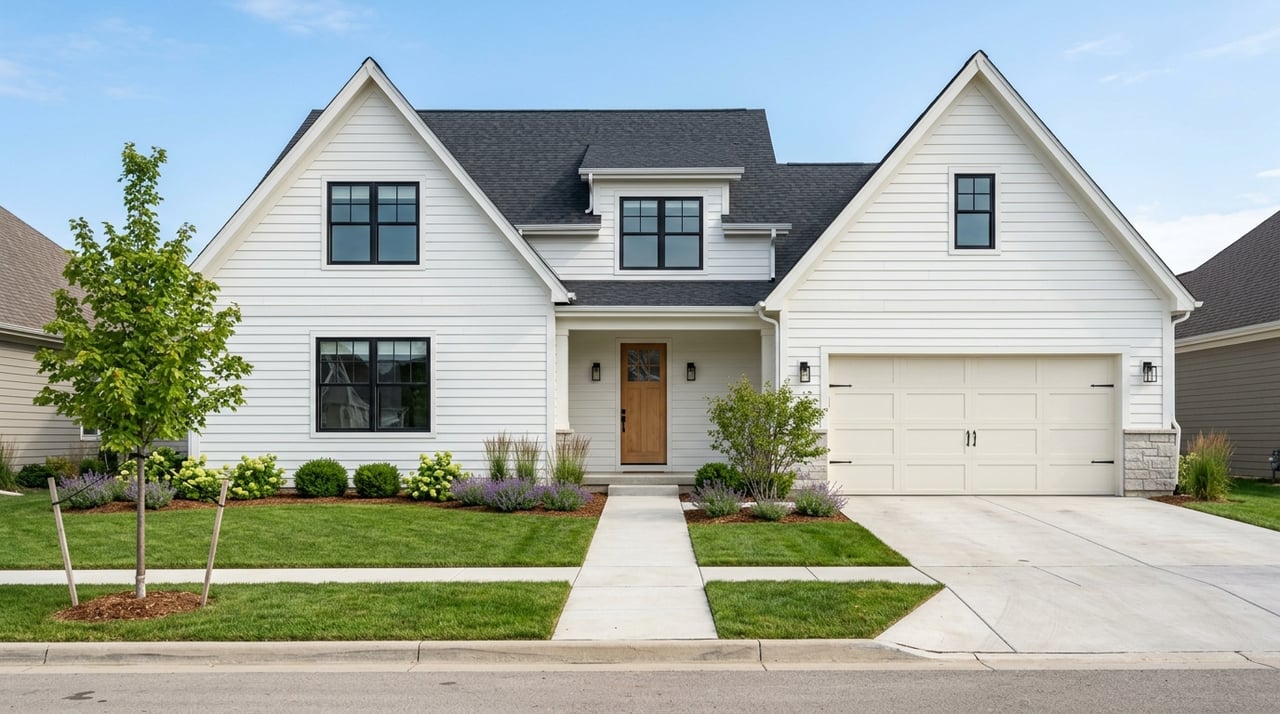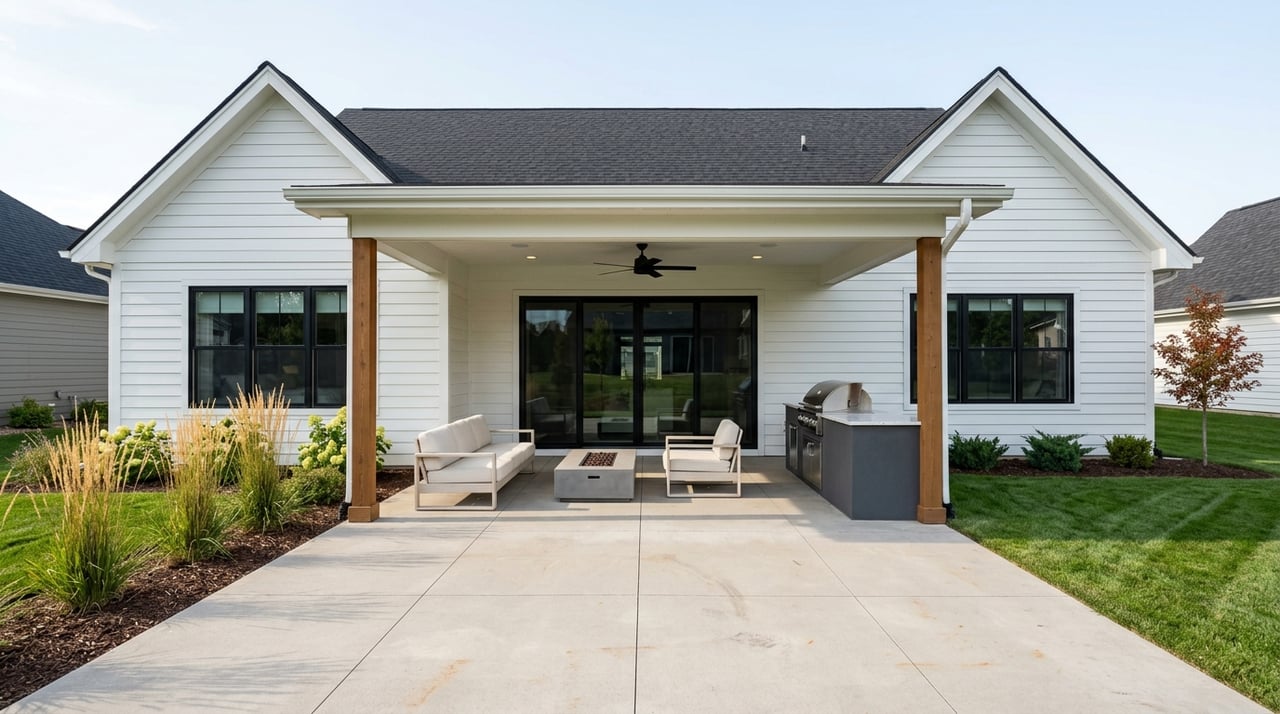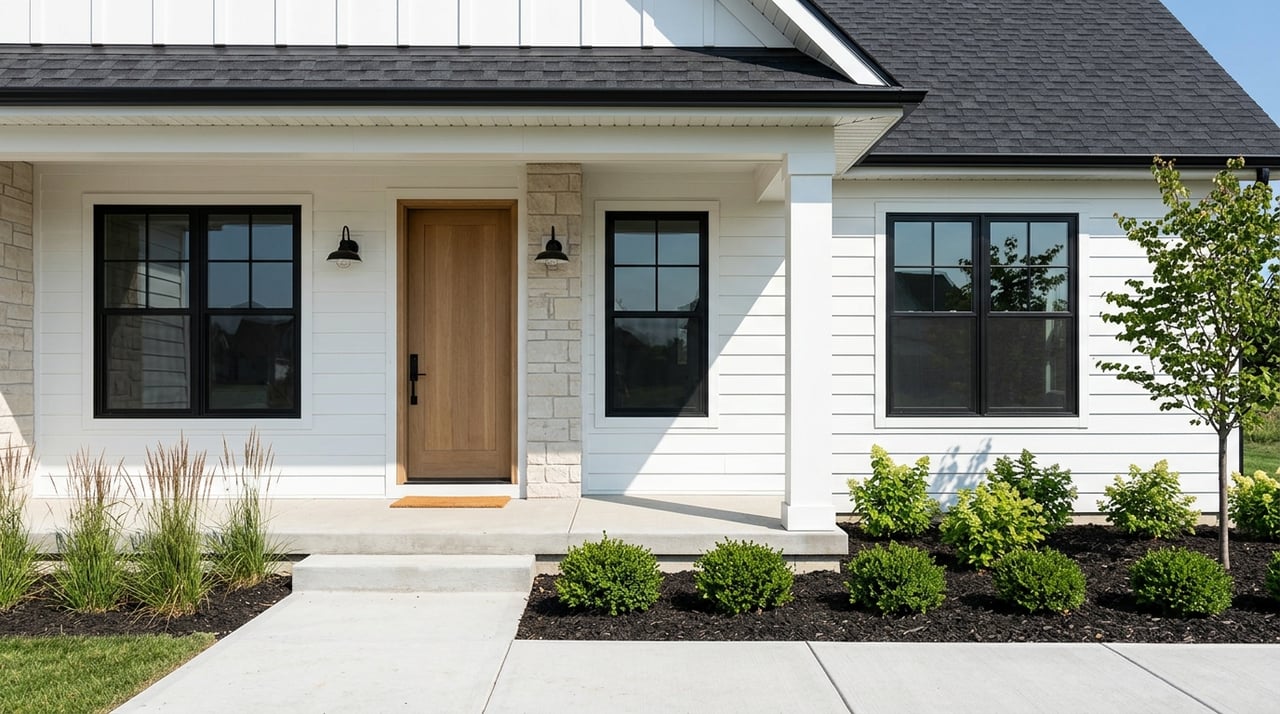
If you are planning a new home in Papillion, one big question can shape almost everything that follows: should you buy a spec home, choose a semi-custom path, or build fully custom? It is a meaningful decision because your budget, timeline, and day-to-day stress can all shift depending on how much control you want. The good news is that each path can be a smart fit when it matches your goals. Let’s break down how the choice works in Papillion and what to think about before you commit.
How New Build Options Differ
At the simplest level, spec, semi-custom, and custom homes sit on a spectrum of control.
A spec or stock home is closest to what the National Association of Home Builders describes as a production home. In that setup, the builder develops a community around preselected floor plans, and you usually choose from standard features and upgrade options instead of redesigning the home from scratch.
A semi-custom home usually falls in the middle. It is not a formal code category, but in practical terms, it often means you start with a base plan and make some changes to the layout and finishes. That gives you more flexibility than a pure spec home, but less freedom than a fully custom build.
A fully custom home gives you the most control. NAHB describes custom builders as often building on land owned by the customer and starting fresh with each design. That path can be ideal if you want a home shaped around your lot, your priorities, and your long-term lifestyle.
What Spec Homes Offer
Spec homes usually appeal to buyers who want more predictability. Because the builder is working from preselected plans and a defined package of features, the process is often more streamlined than a full custom project.
You may still have choices. NAHB notes that production-style builders often offer options for appliances, countertops, flooring, cabinetry, and fixtures at different price points. That means you can personalize key finishes without reopening the entire design process.
For many Papillion buyers, the biggest advantage is timeline clarity. If move-in speed matters, a spec or near-complete home can reduce the number of decisions and moving parts that often slow down a ground-up custom build.
Where Semi-Custom Fits
Semi-custom homes often work well when you want a stronger personal stamp on the home but still value a structured process. You are usually not starting with a blank sheet of paper, which can help keep decision-making more manageable.
This path can be a good middle ground for move-up buyers. You may be able to adjust parts of the layout, expand certain spaces, or upgrade finishes while still relying on a proven plan and a more defined construction process.
In real life, semi-custom can feel like the sweet spot. You get more input than you would with a typical spec home, but you may avoid some of the heavier front-end work that comes with a one-of-one custom design.
Why Buyers Choose Custom
Custom building is usually best for buyers who want maximum control. If you care deeply about site placement, layout flow, room sizes, systems, or finish details, this route gives you the most room to shape the outcome.
It is also the strongest option when the lot itself drives the design. NAHB notes that custom builders often build on land the buyer owns or selects, and that is important if your homesite requires a plan tailored to its size, orientation, or conditions.
Custom homes are also a more specialized part of the market. NAHB reported that custom homes accounted for about 19% of single-family starts in the second quarter of 2025, which helps explain why the process tends to be more involved and hands-on than a production build.
Why Papillion Process Matters
In Papillion, your new build decision is not only about design. It is also about how much process management your builder will need to handle behind the scenes.
Papillion’s Building & Fire Safety department handles plan review, inspections, code enforcement, and customer service for the city and its surrounding two-mile extraterritorial jurisdiction. If your site is outside city limits and outside that ETJ, Sarpy County’s permitting system applies instead.
That distinction matters because the permit path depends on where the property sits. Papillion’s residential permit forms include a New Single Family Residence application, and the city also requires a Nebraska Energy Code Certification for residential work. Sarpy County says it adopted amended 2018 building, residential, plumbing, mechanical, energy, and fuel gas codes, plus 2009 ANSI A117.1 standards, effective June 4, 2024.
For you as a buyer, this means the builder is coordinating much more than materials and labor. The builder is also managing permit paperwork, inspection timing, utility readiness, and the final Certificate of Occupancy process.
Inspections and Occupancy Basics
Inspection timing in Papillion is fairly structured. The city asks that inspections be called in one business day before they are needed, and they are scheduled Monday through Friday from 8:30 a.m. to 4 p.m.
The city also requires approved plans to be on site for footing, foundation wall, rough, and final inspections. That can sound like a builder-only issue, but it affects your schedule because missed steps can create delays.
Before a new home can be occupied, Papillion requires a Certificate of Occupancy. The city’s permitting procedures state that no one may occupy a new home until that CO is issued, and all utilities must be in place before the CO is released.
That is one reason timeline expectations matter so much. A custom home may offer greater personalization, but it also has more points where scheduling and approvals need to line up correctly.
Timeline, Budget, and Control
If you are comparing build paths, it helps to focus on three big tradeoffs: control, timeline certainty, and budget predictability.
NAHB’s custom-home process overview breaks a typical project into design and pre-construction, site work and foundation, shell, rough-ins, exterior finishes, interior finishes, final sitework, and closeout. It also notes that site conditions, design and size, systems, and finish level can all affect schedule and budget.
That is why custom builds usually require more front-end planning. Surveying, soils testing or engineering, utility service applications, permit submittal, deposits, contract work, financing planning, and scheduling all tend to play a larger role than they do with a mostly finished spec home.
Here is a practical way to think about it in Papillion:
| Build Path | Best For | Main Advantage | Main Tradeoff |
|---|---|---|---|
| Spec/Stock | Buyers who want faster move-in | More predictability | Less design flexibility |
| Semi-Custom | Buyers who want balance | Some personalization with structure | Not fully open-ended |
| Fully Custom | Buyers who want maximum control | Site-specific design and flexibility | More time and coordination |
Questions to Ask Yourself First
Before you choose a path, it helps to get clear on what matters most to you. The right answer usually has less to do with what is objectively best and more to do with what you want to prioritize.
Ask yourself:
- Do you want to move quickly, or are you comfortable with a longer planning and construction process?
- How important is it for you to shape the layout, not just the finishes?
- Are you choosing from existing lots in a builder community, or do you want to select or build on your own land?
- Would you rather make fewer decisions, or do you want more hands-on control?
- Is budget certainty your top priority, or are you willing to keep more room for changes and contingencies?
These answers can quickly narrow the field. If speed and price certainty lead your list, a spec home may fit best. If your lot, design goals, or lifestyle needs are highly specific, custom may be worth the extra complexity.
Lot and Layout Considerations
One of the biggest practical differences is who controls the lot and how the floor plan comes together.
In production or spec communities, the builder usually owns or controls the site and works from preselected plans. In a custom build, the buyer more often owns or selects the land and starts with a fresh design.
That can be especially important if you are trying to match a home to a certain setting, orientation, or future use. Even for buyers who start out focused on finishes, the lot and layout question often ends up driving the final decision.
What About Schools and Daily Life?
For many buyers, daily routine matters just as much as the house itself. Papillion-La Vista Community Schools operates multiple elementary, middle, and high school campuses in Papillion, so school access is often part of the decision process for buyers considering where to build or buy.
Beyond that, it helps to think about your normal week. Commute patterns, nearby services, lot maintenance expectations, and how much space you need indoors and out can all influence whether a ready-to-go spec home or a more tailored custom plan makes better sense.
A Simple Way to Decide
If you want a quick rule of thumb, start here.
Choose spec or stock when move-in speed and price certainty matter most. Choose custom when site-specific design and high control matter most. Choose semi-custom when you want a middle path with more personalization but a more defined framework.
That kind of clarity can save you time and stress. It also helps you ask better questions before you sign a contract, choose a lot, or commit to a plan.
When you are weighing spec versus custom in Papillion, having a construction-savvy local guide can make the process feel much more manageable. If you want help comparing builders, understanding the build path, or planning your next move, connect with Brian Wilson to schedule a call.
FAQs
What is a spec home in Papillion?
- A spec home is typically a production-style home built from preselected plans, with buyers choosing from standard features and upgrade options rather than redesigning the entire home.
What does semi-custom mean for a Papillion new build?
- Semi-custom usually means starting with a base floor plan and making some changes to layout and finishes, giving you more flexibility than a spec home but less than a fully custom build.
What is different about a custom home in Papillion?
- A custom home usually offers the most control over the lot, design, layout, systems, and finishes, but it also involves more planning, coordination, and front-end decision-making.
Who handles permits and inspections for a Papillion new home?
- In practice, the builder should coordinate permit submittal and inspections, while Papillion or Sarpy County determines code compliance and occupancy approval based on the property location.
What inspections matter for a new home in Papillion?
- Papillion requires inspections to be scheduled one business day ahead, and approved plans must be on site for footing, foundation wall, rough, and final inspections.
Can you move into a new Papillion home before final approval?
- No. Papillion requires a Certificate of Occupancy for new homes, and the home cannot be occupied until that certificate is issued and utilities are in place.
How should Papillion buyers choose between spec and custom?
- The best choice usually depends on how you want to balance control, timeline certainty, and budget predictability rather than one option being universally better.