Buying a new construction home in Papillion can feel exciting right up until the walkthrough hits your calendar. Suddenly, you may wonder what you are actually supposed to look for, what matters most, and whether this step means you are ready to move in. The good news is that a walkthrough is not about knowing everything a builder knows. It is about making a careful, informed check before closing so you understand the home’s condition, systems, and next steps. Let’s dive in.
What a Papillion walkthrough means
A new construction walkthrough is your pre-closing condition check. It is the time to walk the home with the builder, review visible finishes, test basic functions, and create a punch list for anything that still needs attention.
In Papillion, this buyer walkthrough is separate from the city’s final inspection and separate from closing. Think of it in three parts: the walkthrough is your visible handoff, the city inspection is the regulatory handoff, and closing is the legal and financial handoff.
That distinction matters because even if your walkthrough goes well, the home still cannot be occupied until the city issues a certificate of occupancy. Papillion’s Building & Fire Safety department handles inspections and occupancy approval, and permit guidance states that no one may occupy a new home until that certificate has been issued.
Why timing can shift in Papillion
In many cases, the walkthrough happens shortly before closing. That gives you a chance to identify incomplete or incorrect items while there is still time to address them.
In Papillion, buyers should also expect a little flexibility around timing. The city notes that final inspections may not be performed if work is still in progress or if areas are not easily accessible, which can affect the path to the certificate of occupancy.
That means a home can look close to finished and still need a few final steps before move-in is allowed. If your builder, lender, or agent talks about a schedule adjustment, it does not always mean something is wrong. It may simply mean the final city approval process needs more time.
What the walkthrough is for
Your walkthrough has two main goals. First, you are confirming that the home generally matches what you agreed to in the purchase agreement, selections, and change orders. Second, you are learning how the home’s systems and features work.
This is also when many builders review warranty information, hand over manuals, and explain service procedures. That orientation matters just as much as the cosmetic review, especially in a new home with unfamiliar systems, appliances, and maintenance needs.
What the walkthrough is not
A walkthrough is not the same thing as a home inspection. It is a visual, practical review before closing, not a full diagnostic evaluation.
For new construction, inspections can happen at multiple stages, including foundation, pre-drywall, and final punch-out. Those earlier inspections can be especially helpful because some conditions are no longer visible once walls are closed and finishes are complete.
At the final walkthrough, stay focused on what you can reasonably verify. You are checking visible condition, basic operation, and contract items, not opening walls or trying to dismantle finished work.
Why you should attend in person
If possible, attend the walkthrough yourself. Being there makes it much easier to ask questions, understand how the home works, and point out anything that does not match your expectations or your paperwork.
This is also your best chance to hear directly from the builder about maintenance, warranty procedures, and any remaining items that will be completed before or after closing. If something was promised earlier, being present helps you confirm whether it was actually done.
What to bring to your walkthrough
Showing up prepared makes the process smoother and more productive. Bring the paperwork and notes that help you compare the finished home to what you actually agreed to buy.
A simple walkthrough kit should include:
- Your purchase agreement
- Any change orders
- Your selections or feature sheet
- A written checklist
- A phone for notes and photos
- A pen or pencil
Your checklist does not need to be fancy. It just needs to help you move room by room and stay organized.
What to check outside the home
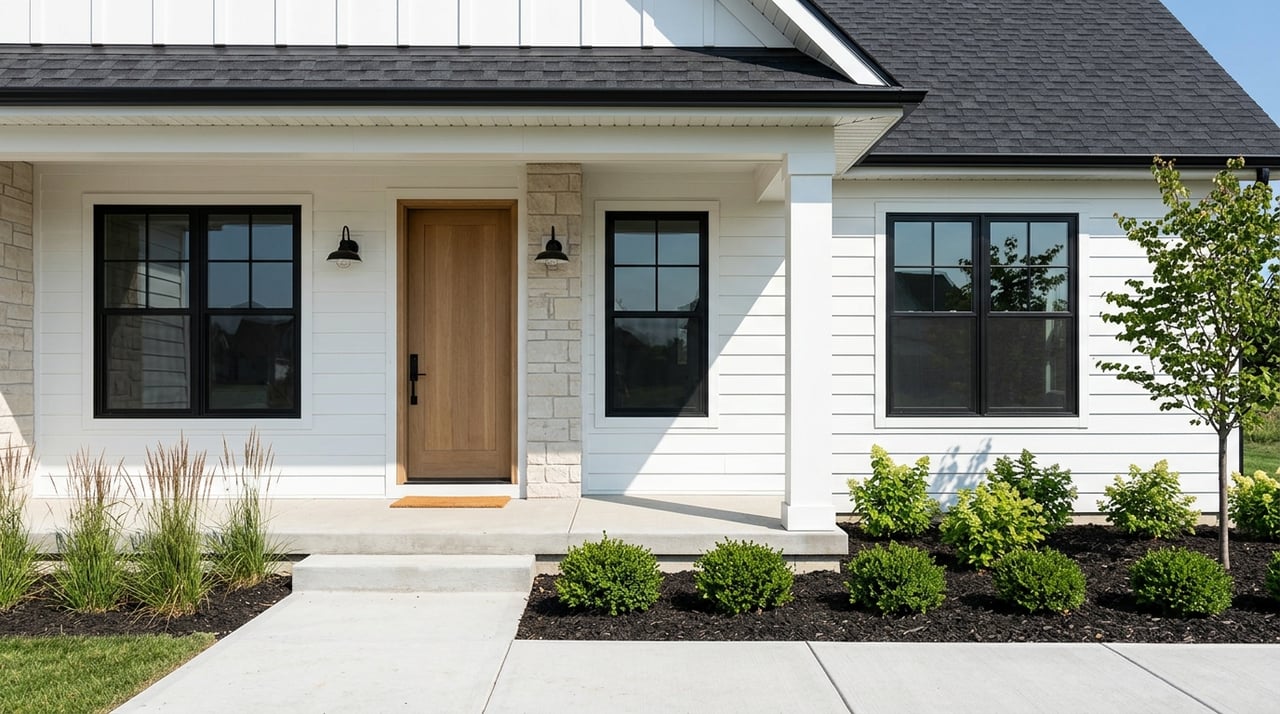
Start with the exterior before you head inside. You are looking for visible completion, safe operation, and signs that water will move away from the home as intended.
Common exterior items to review include:
- Grading around the house
- Driveways and sidewalks
- Gutters and downspouts
- Roof shingles and flashing
- Siding and trim
- Windows and caulking
- Decks and railings
- The garage door
- General site cleanup
You do not need to turn this into a technical roof inspection. Instead, focus on obvious concerns like missing pieces, unfinished areas, damage, poor cleanup, or items that clearly do not look complete.
What to check inside the home
Inside, your job is to confirm that surfaces are finished, components operate correctly, and the home feels clean and ready for the next stage. Move slowly and test things in a consistent way.
Pay close attention to:
- Doors opening and closing properly
- Paint and trim completion
- Working lights and outlets
- Functioning fans and smoke alarms
- Clean counters, floors, and surfaces
- No lingering construction debris
Run faucets, flush toilets, and check drains while you are in each area. Small issues are easier to track when you note them in the moment instead of trying to remember them later.
Don’t skip the systems orientation
One of the most valuable parts of a new construction walkthrough is learning how the home operates. This is where the builder should walk you through basic systems and controls so you are not guessing after closing.
Ask for a clear demonstration of:
- Faucets and drains
- Toilets
- Water heater settings
- Furnace and air conditioner operation
- Thermostat use
- Appliances
- Garage remotes
- Manuals and warranty documents
This part is easy to rush, but it is worth slowing down. A quick explanation now can save you confusion later.
Separate cosmetic items from function issues
Not every walkthrough item carries the same weight. One of the smartest ways to stay organized is to separate small finish touch-ups from true function problems.
Cosmetic items often include things like paint drips, minor caulk gaps, or trim touch-ups. Function items include problems like leaks, outlets that do not work, appliances that fail to operate, HVAC concerns, or exterior work that is still unfinished.
That distinction helps everyone communicate more clearly. It also gives you a better sense of which items may be simple punch-list corrections and which ones deserve more urgent follow-up.
How to handle punch-list items
If you find something wrong, document it clearly and tell the builder right away. Use photos, location notes, and short descriptions so there is little room for confusion.
Be specific. Instead of writing “kitchen issue,” note something like “left cabinet door under sink rubs and will not close smoothly.” Clear notes make it easier to track repairs and confirm completion.
If agreed repairs or corrections are still outstanding before closing, raise them immediately. The walkthrough is the right time to make sure everyone is aligned on what still needs to be done.
Can you bring your own inspector?
Yes, buyers can bring their own inspector for new construction, and many do. In fact, inspections at the foundation, pre-drywall, and final stages are common because hidden conditions may not be visible later.
If you want an independent inspection, the best approach is to coordinate it with the builder’s schedule early. That gives enough time for any findings to be reviewed and addressed before closing.
What happens after the walkthrough
After the walkthrough, there may still be a short stretch of activity before closing. The builder may finish punch-list items, the city may complete its final inspection process, and the certificate of occupancy may still need to be issued.
This is why a walkthrough should not be confused with permission to move in. In Papillion, occupancy depends on the city issuing the certificate of occupancy, even if the house looks complete and closing is approaching.
You should also ask how post-closing warranty requests are handled. Many builders review warranty service procedures at the walkthrough, and understanding that process now can make future follow-up much easier.
How the right guidance helps
A new construction walkthrough is easier when you have someone helping you compare the home to the contract, organize punch-list items, and keep communication moving. That is especially helpful when you are balancing builder timelines, closing dates, and Papillion’s separate occupancy process.
For buyers in Papillion, a construction-savvy real estate team can help you stay focused on the right details without making the process feel overwhelming. If you are planning a new home purchase and want experienced guidance from start to finish, Brian Wilson can help you schedule a call and navigate the process with confidence.
FAQs
Is a Papillion new construction walkthrough the same as a home inspection?
- No. A walkthrough is a visual pre-closing check and orientation, while a home inspection is a separate process.
Should you attend your Papillion new construction walkthrough in person?
- Yes, if possible. Attending helps you ask questions, understand the home’s systems, and confirm any incomplete items.
What should you bring to a new construction walkthrough in Papillion?
- Bring your purchase agreement, change orders, selections or feature sheet, a checklist, and a way to take notes and photos.
What happens if you find problems during a Papillion walkthrough?
- Document the issues clearly, notify the builder right away, and follow the contract and warranty process for corrections.
Can you move in after a Papillion new construction walkthrough?
- No. In Papillion, you cannot occupy the home until the city issues the certificate of occupancy.
Can you hire your own inspector for a Papillion new construction home?
- Yes. Independent inspections are common in new construction and may happen at the foundation, pre-drywall, or final stage.